Selling a used vehicle can involve several practical decisions, including how to determine its condition, how to establish an appropriate market position, and how to choose between private-party selling, dealer acquisition, or trade-in use. A We Want Your Car process provides another path for owners who prefer to work directly with an automotive retailer instead of managing individual buyer inquiries. Used car acquisition generally begins with accurate vehicle information, including the model year, make, model, trim, mileage, equipment, ownership condition, and overall physical state. These details help create a clearer picture of the vehicle before an in-person evaluation or additional review takes place. For drivers near Pueblo, CO, understanding the used vehicle acquisition process can make it easier to prepare a car, truck, or SUV for evaluation and decide which selling approach best fits their ownership plans.
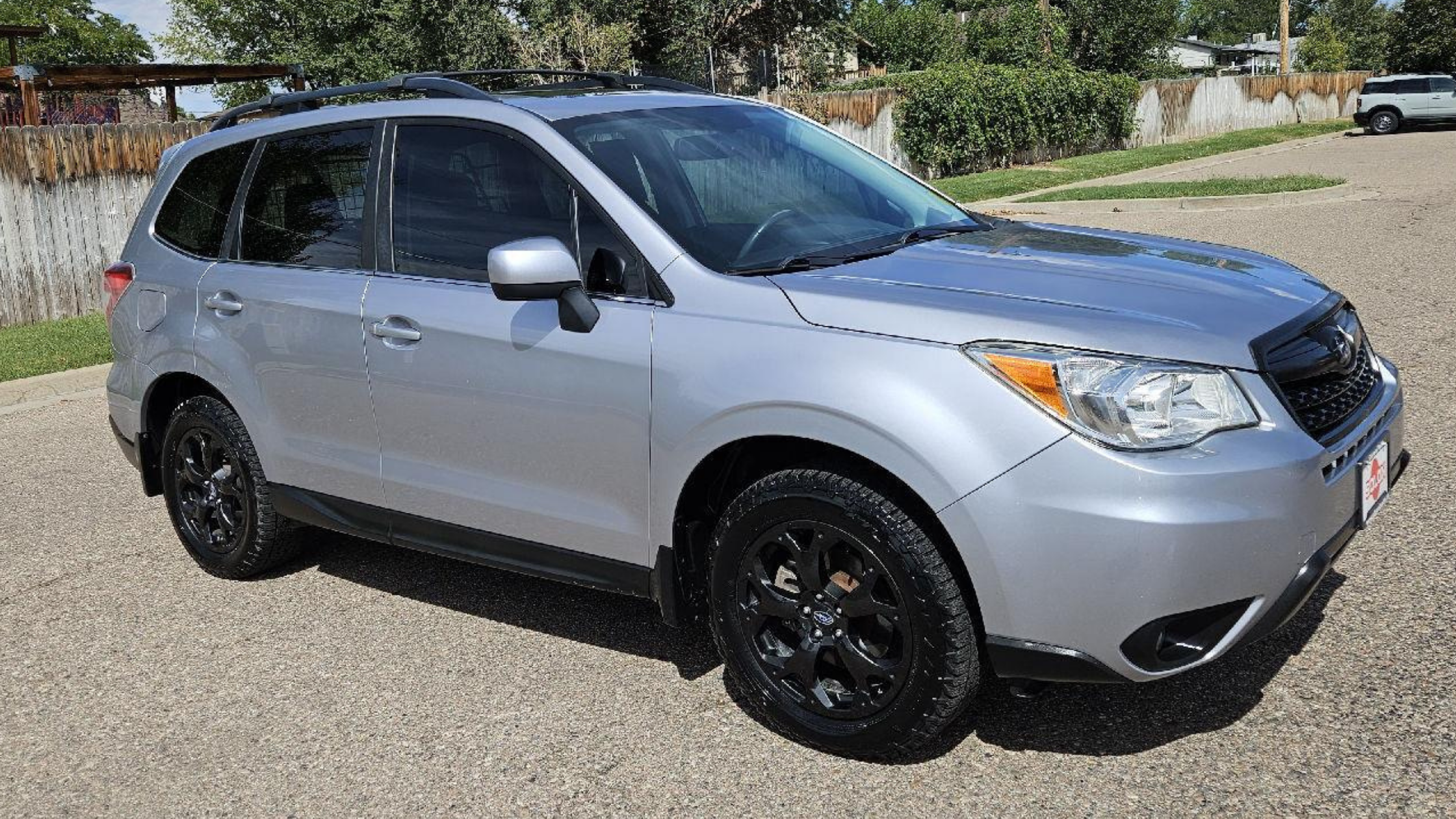
We Want Your Car and Used Vehicle Acquisition near Pueblo, CO
A We Want Your Car program centers on acquiring pre-owned vehicles directly from individual owners rather than relying only on traditional trade-in transactions. This type of used car acquisition can apply to a wide range of passenger cars, crossovers, SUVs, pickup trucks, and other commonly owned vehicles that may have continued value in the pre-owned market. The process typically focuses first on identifying the vehicle, reviewing its condition, and determining how its individual characteristics relate to current used vehicle demand. Owners can benefit from understanding that two vehicles from the same model year may receive different evaluations because mileage, configuration, condition, equipment, and use history can vary significantly. A well-documented vehicle description therefore provides a stronger starting point for any acquisition discussion.
Selling a Used Car Without a Private-Party Listing
Private-party vehicle sales can require significant owner involvement because the seller is responsible for presenting the vehicle, communicating with prospective buyers, scheduling meetings, and managing the transfer process. A dealer acquisition process reduces the need to advertise a used vehicle independently because the owner works with an established automotive business that routinely evaluates pre-owned inventory. This approach can be useful for people who prefer a centralized process rather than responding to multiple inquiries from individual shoppers. Vehicle owners still need to provide accurate information and allow the vehicle to be evaluated, but the overall process places less emphasis on marketing the vehicle directly to the public. For owners researching how to sell a used car near Pueblo, CO, dealership acquisition can therefore serve as a practical alternative to managing a private listing.
Acquisition Is Different From a Traditional Trade-In
Selling a vehicle to a dealership and trading a vehicle toward another automobile are related processes, but they serve different ownership objectives. A trade-in generally connects the value of an existing vehicle to the acquisition of another vehicle, while a direct purchase can focus primarily on the vehicle the owner wants to sell. This distinction matters for drivers who are reducing the number of vehicles in a household, changing transportation arrangements, or simply selling a vehicle without selecting an immediate replacement. A We Want Your Car process can therefore remain relevant even when the owner is not actively shopping for another car, truck, or SUV. Understanding the difference between acquisition and trade-in use helps owners approach the evaluation process with clearer expectations.
Used Car Value and Vehicle Evaluation
Used car value is influenced by the individual characteristics of the vehicle rather than by model name alone. Mileage, trim level, powertrain configuration, equipment, body condition, interior condition, tire condition, service history, and previous use can all contribute to the overall evaluation. Broader used vehicle demand can also affect how specific vehicle types and configurations are positioned within the market at a given time. An evaluation therefore combines identifiable vehicle specifications with a condition-based review to develop a more complete understanding of the automobile. Owners who prepare accurate information before starting a We Want Your Car process can help make the evaluation more efficient and easier to interpret.
Mileage and Vehicle Usage
Mileage is one of the most visible indicators considered during used vehicle acquisition because it provides context about how extensively a vehicle has been driven. Mileage alone does not describe the complete condition of the automobile, but it can influence how the vehicle is compared with similar examples from the same model year and category. A lower-mileage vehicle can still show significant wear if it has experienced demanding use, while a higher-mileage example may retain strong overall condition when it has been maintained consistently. Evaluators can therefore consider mileage alongside service history, physical condition, configuration, and observable wear rather than treating the odometer reading as an isolated measurement. Owners should provide the current mileage as accurately as possible so that the used car valuation reflects the vehicle being presented.
Exterior and Interior Condition
Physical condition is another important part of determining how a used car, truck, or SUV fits into an acquisition process. Exterior inspection may consider paint condition, body panels, glass, lighting components, wheels, tires, trim pieces, and visible signs of previous damage or repair. Interior condition can include upholstery, carpeting, controls, screens, switches, seating surfaces, storage areas, and other frequently used components. Normal wear is expected in used vehicles, but the amount and type of wear can differ substantially between vehicles of similar age and mileage. Providing an accurate description of cosmetic and functional condition helps create a more complete assessment and reduces the likelihood that the initial vehicle description differs significantly from the physical evaluation.
Trim Level, Equipment, and Configuration
Trim level and equipment can distinguish one used vehicle from another even when the vehicles share the same model year and basic nameplate. Features such as drivetrain configuration, cab style, bed length, seating arrangement, engine type, transmission type, wheel package, driver-assistance equipment, infotainment systems, and comfort features may vary by model and configuration. These differences can affect both the vehicle's original specification and its position within the pre-owned market. Accurate identification is therefore important when beginning a vehicle acquisition or valuation process. Owners should avoid relying only on the basic model name when additional trim and equipment information is available.
Preparing a Vehicle for a We Want Your Car Evaluation
Preparation for a used car acquisition does not need to involve extensive modification or cosmetic work, but accurate documentation and basic organization can help the evaluation proceed more smoothly. Owners should begin by confirming key identifying information and reviewing the vehicle for visible condition details they may need to describe. Basic records can also provide helpful context about how the vehicle has been maintained and used during ownership. The goal is not to create an artificially improved description but to present the automobile accurately and completely. A clear understanding of the vehicle's current state supports a more straightforward We Want Your Car process from the initial valuation stage through the physical review.
Vehicle Identification and Ownership Details
The vehicle identification number is one of the most useful pieces of information for accurately identifying a used automobile. The VIN can help confirm the vehicle's model year, manufacturer, configuration, and other identifying information associated with that specific unit. Owners should also be prepared to provide current mileage and basic ownership information when entering an acquisition process. Having these details available can reduce uncertainty when a vehicle shares similar exterior styling or naming with several trims and configurations. Accurate identification provides the foundation for evaluating the correct vehicle rather than relying on assumptions about its equipment.
Maintenance and Service Information
Maintenance records can provide useful supporting context during a used vehicle evaluation because they show portions of the vehicle's service history over time. Documentation may include routine maintenance, repair information, replacement parts, or other records retained by the owner. The absence of complete records does not automatically determine a vehicle's condition, since records can be lost or maintenance may have been performed through different service providers. Physical inspection and current operating condition remain important parts of understanding the automobile. Owners who have service documentation available can organize it before beginning the acquisition process so relevant information is easier to review if needed.
Personal Belongings and Vehicle Presentation
Removing personal belongings before a vehicle evaluation can make the interior easier to inspect and gives both the owner and evaluator clearer access to storage compartments, seating areas, and cargo spaces. A basic cleaning can also make existing conditions easier to observe, particularly when dirt or clutter would otherwise hide normal wear or minor cosmetic issues. Extensive detailing is not necessarily required simply to begin a used car acquisition process. The more important objective is to present the vehicle in a condition that allows its actual features, materials, and physical state to be reviewed accurately. Owners should also check common storage locations for personal documents, access devices, electronics, and other items before transferring possession of any vehicle.
Used Cars, Trucks, and SUVs in the Acquisition Market
The used vehicle market includes a broad range of body styles and configurations because transportation needs differ significantly among drivers and households. Passenger cars may continue to appeal to drivers focused on commuting, efficient packaging, and manageable exterior dimensions. Crossovers and SUVs can serve owners who prioritize passenger flexibility, cargo capacity, raised seating positions, or available all-wheel-drive capability depending on the model. Pickup trucks can retain practical value because cab configuration, bed design, drivetrain, towing-related equipment, and work-oriented features create distinct use cases within the pre-owned market. A We Want Your Car acquisition strategy can therefore apply across vehicle categories rather than focusing only on one body style or manufacturer.
Used Passenger Cars
Sedans, hatchbacks, coupes, and other passenger cars can remain relevant in used vehicle acquisition because they serve a range of daily transportation roles. Their value can depend on age, mileage, mechanical condition, fuel type, equipment level, interior condition, and the availability of comparable vehicles. Compact and midsize models may be evaluated differently from performance-oriented, luxury, or specialty configurations because each category attracts different types of used vehicle shoppers. Transmission type, drivetrain, safety technology, and infotainment features can also help distinguish individual examples. Owners should provide complete specifications whenever possible so the evaluation reflects the actual configuration rather than a broad passenger-car category.
Used SUVs and Crossovers
SUVs and crossovers make up a substantial portion of modern vehicle ownership, so they commonly appear in used vehicle acquisition activity. Evaluation factors can include seating capacity, drivetrain, cargo configuration, model year, mileage, trim level, wheel and tire condition, powertrain, and available driver-assistance equipment. Vehicles equipped with all-wheel drive or four-wheel drive can differ mechanically from front-wheel-drive versions of the same model, making correct configuration details important. Three-row models can also differ considerably from smaller crossovers in packaging, interior wear patterns, and intended use. Owners preparing an SUV for a We Want Your Car evaluation should therefore provide specific information about seating, drivetrain, trim, and condition rather than relying only on the general SUV label.
Used Pickup Trucks
Pickup trucks can require particularly careful configuration identification because a single model line may include multiple cabs, bed lengths, engines, drivetrains, axle configurations, and capability-oriented packages. These specifications can meaningfully change how one used truck compares with another vehicle carrying the same model name. Signs of towing, hauling, commercial use, off-pavement use, or accessory installation may also be relevant during a physical condition review. Modifications should be disclosed accurately because aftermarket suspension, wheels, tires, lighting, towing components, or other equipment can affect the vehicle's current configuration. A complete description helps establish a more accurate basis for acquisition evaluation and reduces confusion during later inspection.
Market Factors in Used Vehicle Acquisition
Used vehicle acquisition is affected by both vehicle-specific information and broader market conditions. Demand can shift among body styles, model years, fuel types, drivetrains, and configurations as consumer preferences and inventory conditions change. This means generalized online estimates should be treated as starting points rather than permanent values that apply identically to every vehicle. A physical evaluation can provide additional information because it accounts for condition and equipment that may not be fully represented in basic valuation data. Drivers near Pueblo, CO considering a We Want Your Car process can benefit from treating valuation as a vehicle-specific review rather than expecting every similar model to be evaluated in the same way.
Comparable Used Vehicle Supply
Comparable inventory can influence the context in which a used vehicle is evaluated because availability affects how common or scarce a particular configuration may be. A vehicle with a widely available specification may be positioned differently from a less common trim, drivetrain, or body configuration. Condition still matters because similar vehicles can vary greatly in mileage, maintenance history, cosmetic wear, and equipment. Used car acquisition, therefore, involves comparing multiple characteristics rather than matching a vehicle only by year and model. Owners should expect an evaluation to consider the complete vehicle instead of relying on a single published benchmark.
Mechanical and Operational Condition
Mechanical condition can be important when assessing a used automobile because major vehicle systems contribute directly to usability and future reconditioning needs. Evaluators may consider engine operation, transmission behavior, steering response, brake function, suspension condition, warning indicators, climate-control operation, electrical equipment, and other functional systems depending on the vehicle. Hybrid and electric vehicles may involve additional components and operating systems that differ from conventional internal-combustion vehicles. Observable mechanical concerns should be communicated accurately rather than omitted from the initial description. A transparent vehicle history and condition discussion helps create a more technically grounded acquisition process.
Factory Equipment and Aftermarket Changes
Factory-installed equipment can help define the original configuration of a used vehicle, while aftermarket changes can alter how the automobile is evaluated in its current state. Modifications may include wheels, tires, suspension components, exhaust systems, lighting equipment, audio systems, body accessories, towing hardware, or other owner-installed upgrades. An aftermarket component does not automatically add an equivalent amount of value to a used vehicle because individual buyer demand, installation quality, compatibility, and reversibility can vary. Original equipment that remains with the vehicle may also provide useful context when modifications have been installed. Owners should disclose significant changes so the acquisition evaluation reflects the vehicle as it currently exists.
Selling a Used Vehicle near Pueblo, CO
Drivers considering selling a used vehicle near Pueblo, CO can approach the process more effectively by separating vehicle preparation from the decision about what comes next. The first objective is to understand the automobile itself, including its identifying specifications, mileage, equipment, physical condition, and maintenance background. The second objective is to determine which selling method provides the most suitable level of convenience and involvement for the owner. A We Want Your Car process can appeal to drivers who prefer dealership acquisition over managing advertising, buyer communication, and private appointments. Careful preparation and accurate disclosure can help create a clearer path from initial valuation through final vehicle review.
Selling Without Immediately Replacing the Vehicle
Some owners sell a used vehicle because household transportation needs have changed rather than because they are ready to purchase another automobile. A family may have an extra vehicle, a commuter may no longer require the same transportation arrangement, or an owner may be simplifying the number of vehicles being maintained. Direct used car acquisition accommodates this type of situation because the vehicle itself remains the primary subject of the transaction. There is no need to frame every acquisition discussion around replacing the automobile with another vehicle. This flexibility is one reason We Want Your Car content should remain distinct from standard trade-in information.
Using an Acquisition Evaluation Before Making a Decision
Receiving an evaluation does not change the importance of understanding the vehicle and the owner's own transportation plans. Drivers can use the process to gather information about their current car, truck, or SUV before deciding how they want to proceed. Vehicle condition, comparable supply, mileage, configuration, and current market demand can all provide useful context during that review. Owners can then compare the convenience of dealership acquisition with the additional responsibilities involved in a private-party sale. Treating the evaluation as part of an informed decision process helps keep the focus on accurate vehicle information rather than assumptions.
Start the Process
If you are considering selling a used car, truck, or SUV near Pueblo, CO, our team can help you begin with a vehicle-focused evaluation process. We encourage owners to gather accurate information about mileage, trim, equipment, condition, and other identifying details before presenting a vehicle for review. We can discuss the next steps involved in dealership acquisition and help clarify how selling differs from applying a vehicle toward another automotive purchase. Visit Subaru of Pueblo in Pueblo, CO, to have your current vehicle considered as part of our We Want Your Car process. We are ready to review the vehicle information you provide and help you determine the next practical step.