
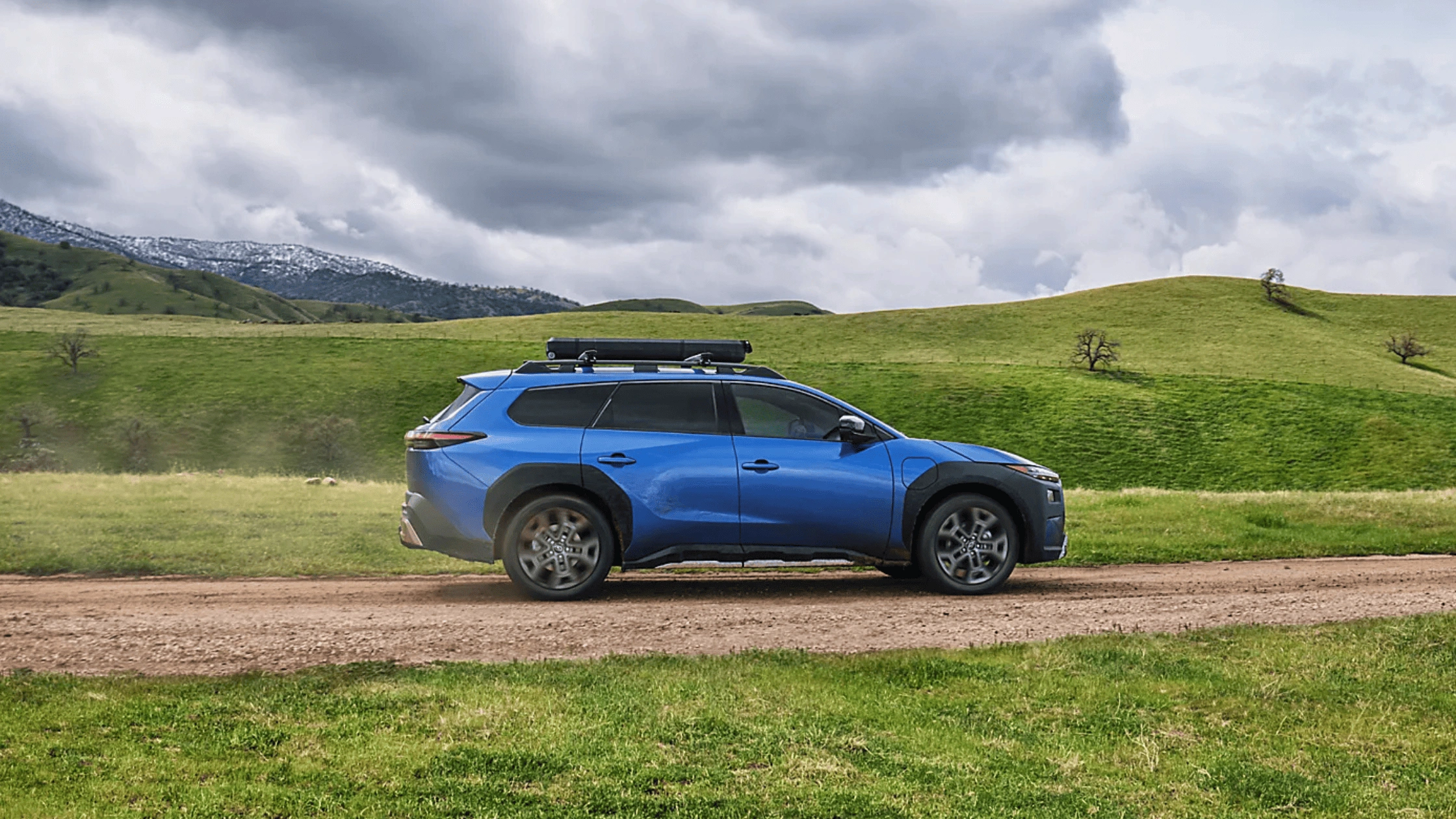
The 2026 Subaru Trailseeker is a 5-door, 5-passenger battery-electric SUV designed with a fully integrated electric drivetrain and a unitized body structure. It operates on the Subaru e-Global Platform, which supports structural rigidity, efficient packaging of the battery system, and balanced weight distribution. The layout accommodates front and rear electric motors while maintaining interior space and cargo functionality. This platform also supports the integration of suspension components, braking systems, and electronic controls within a cohesive framework that prioritizes stability and control.
The body dimensions reflect a midsize SUV profile. The 2026 Subaru Trailseeker measures 190.8 inches in length, 73.2 inches in width, and 65.9 inches in height, with a wheelbase of 112.2 inches. Ground clearance is rated at 8.5 inches, which supports travel over uneven surfaces and variable terrain. Curb weight varies by trim, with the Premium at 4,465 pounds, the Limited at 4,530 pounds, and the Touring at 4,565 pounds. Roof rail capacity supports 176 pounds in dynamic load conditions and up to 700 pounds in static load situations.
Interior Dimensions and Passenger Space Allocation
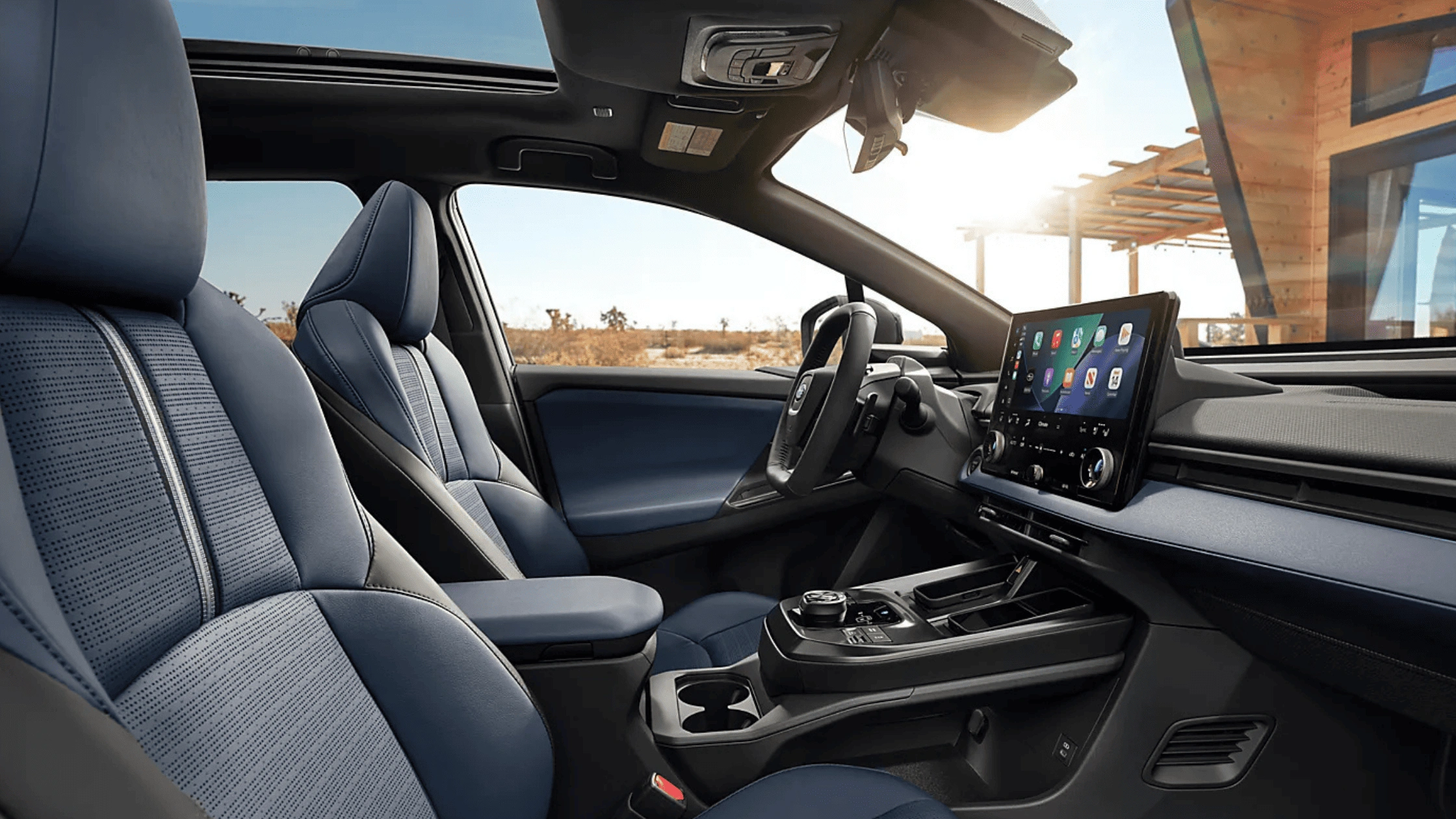
The interior of the 2026 Subaru Trailseeker is configured to accommodate five passengers with defined space measurements. Front headroom is 38.8 inches, and rear headroom is 38.6 inches in one configuration, with slightly reduced figures when equipped with a moonroof. Front legroom measures 42.1 inches, while rear legroom measures 35.3 inches.
Hip room is 54.4 inches in the front and 46.2 inches in the rear. Shoulder room measures 58.0 inches in the front and 55.0 inches in the rear. Total passenger volume is 97.5 cubic feet without a moonroof and 96.2 cubic feet with a moonroof. These dimensions support occupant comfort while maintaining efficient use of interior space.
Cargo Volume and Load Area Measurements
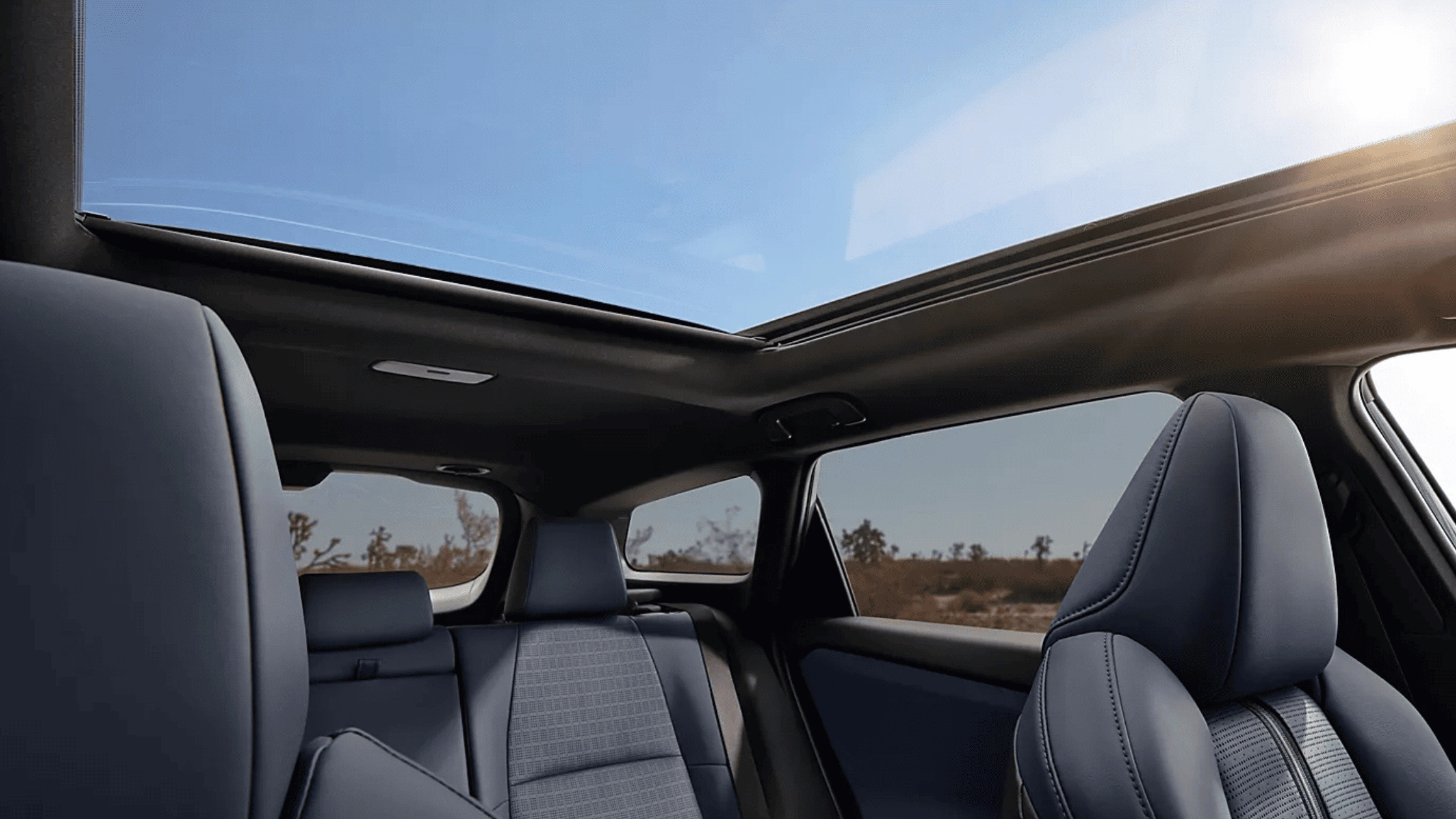
Cargo capacity in the 2026 Subaru Trailseeker is structured to support various storage needs. With the rear seatbacks in the upright position, cargo volume is 31.3 cubic feet, or 30.4 cubic feet with a panoramic roof. When the rear seatbacks are folded down, cargo volume expands to 74.0 cubic feet, or 71.8 cubic feet with a panoramic roof.
The rear cargo opening width is 42.3 inches, which allows for easier loading of larger items. Maximum cargo length is 47.0 inches with the rear seatbacks up and 75.0 inches with them folded down. Cargo area height is 33.6 inches with the deck board in the upper position and 36.5 inches in the lower position. These measurements indicate the vehicle's ability to handle a range of cargo sizes.
Dual-Motor Electric Output and Drivetrain Function
The 2026 Subaru Trailseeker uses an all-electric drivetrain with front and rear AC synchronous permanent-magnet motors. Each motor is paired with an integral transaxle and power inverter. This configuration allows independent power delivery to both axles and contributes to consistent torque distribution. The combined system output is rated at 167 kW per motor, producing a total of 375 horsepower.
The drivetrain design supports immediate torque delivery, which is characteristic of electric propulsion systems. The integration of the motors with the transaxles simplifies mechanical complexity while maintaining efficient energy transfer. Power distribution is electronically controlled, enabling the system to adjust output between the front and rear motors based on traction conditions and driver input.
Lithium-Ion Battery System and Electrical Specifications
The 2026 Subaru Trailseeker is equipped with a lithium-ion battery pack consisting of 104 cells. The total capacity is 74.7 kWh, with a rated voltage of 391 volts and a rated capacity of 191 ampere-hours. The battery system includes a thermal management system that regulates temperature through both cooling and heating functions. This system helps maintain performance consistency across different operating conditions.
The battery is positioned within the vehicle structure to optimize weight distribution and stability. Its placement also supports a lower center of gravity, which contributes to improved handling characteristics. The electrical architecture is designed to support both propulsion and auxiliary systems without compromising efficiency or system reliability.
Charging Interface and Driving Range Capabilities
The 2026 Subaru Trailseeker features a North American Charging Standard inlet located on the right fender. This placement allows for compatibility with a wide range of charging infrastructure. DC fast charging enables the battery to charge from 10 percent to 80 percent in approximately 28 minutes under optimal conditions.
The EPA-estimated driving range is rated at 281 miles for the Premium trim and 274 miles for the Limited and Touring trims. These figures reflect the balance between battery capacity, vehicle weight, and drivetrain efficiency. Charging performance and range are influenced by environmental conditions, driving behavior, and accessory usage.
Symmetrical All-Wheel Drive System Integration
The Symmetrical All-Wheel Drive system in the 2026 Subaru Trailseeker operates through electronic power-controlled variable distribution. Independent electric motors at the front and rear axles replace traditional mechanical connections, allowing for precise control of torque delivery. This system continuously monitors traction and adjusts power output to maintain stability.
The vehicle includes X-MODE® functionality with selectable Snow and Dirt modes, as well as Deep Snow and Mud modes. These modes modify throttle response, torque distribution, and traction control parameters. Additional systems such as Grip Control, Downhill Assist Control, and Hill-Start Assist provide support in low-traction and incline scenarios. These features work together to maintain controlled movement across a variety of surfaces.
Suspension Geometry and Ride Control Systems
The 2026 Subaru Trailseeker uses a four-wheel independent suspension system designed to balance comfort and handling. The front suspension consists of MacPherson®-type struts with internal rebound springs, lower L-arms, coil springs, and a stabilizer bar.
The rear suspension uses a double-wishbone design with coil springs and dampers that include internal rebound springs. Steel lower arms with aerodynamic covers contribute to airflow management beneath the vehicle. A rear stabilizer bar supports lateral stability during cornering.
Braking System Configuration and Regenerative Control
The braking system includes electronically controlled power-assisted four-wheel disc brakes. The system incorporates four-channel, four-sensor anti-lock braking, Brake Assist, and Brake Override. The front brakes use 12.9-inch ventilated rotors with dual-piston calipers, while the rear brakes use 12.5-inch ventilated rotors with single-piston calipers.
The 2026 Subaru Trailseeker also features a regenerative braking system with four selectable modes. These modes are controlled through steering wheel paddle switches, allowing the driver to adjust the level of regenerative deceleration. This system captures kinetic energy during deceleration and converts it into electrical energy that is stored in the battery.
Steering Ratio and Maneuverability Characteristics
The 2026 Subaru Trailseeker uses a quick-ratio electric power-assisted rack-and-pinion steering system. The steering ratio is 14.2:1, with 2.8 turns from lock to lock. This configuration supports responsive steering input while maintaining stability at higher speeds.
The turning circle is 36.7 feet, which allows for maneuverability in confined spaces such as parking areas and urban environments. The electric power assist adjusts based on vehicle speed, providing lighter steering effort at lower speeds and increased resistance at higher speeds to maintain control.
Wheel and Tire Configurations
Wheel and tire specifications vary across trims. The Premium trim uses 18 x 7.5-inch aluminum-alloy wheels with aerodynamic wheel covers. These are paired with 235/60R18 103V all-season tires. The Limited and Touring trims use 20 x 7.5-inch aluminum-alloy wheels with a machine finish and dark gray spoke inserts. These trims are equipped with 235/50R20 100V all-season tires.
Stability Systems and Traction Management
The 2026 Subaru Trailseeker includes Vehicle Dynamics Control with all-wheel, all-speed traction control. This system monitors wheel speed, steering input, and vehicle motion to maintain stability. Active Cornering Assist is integrated to support controlled handling during turns by adjusting braking force and torque distribution.
Traction control operates continuously to manage wheel slip across different surfaces. The combination of stability and traction systems supports consistent vehicle behavior during acceleration, braking, and cornering. These systems are integrated with the all-wheel drive architecture to provide coordinated control.