
Stability Systems and Control Technologies
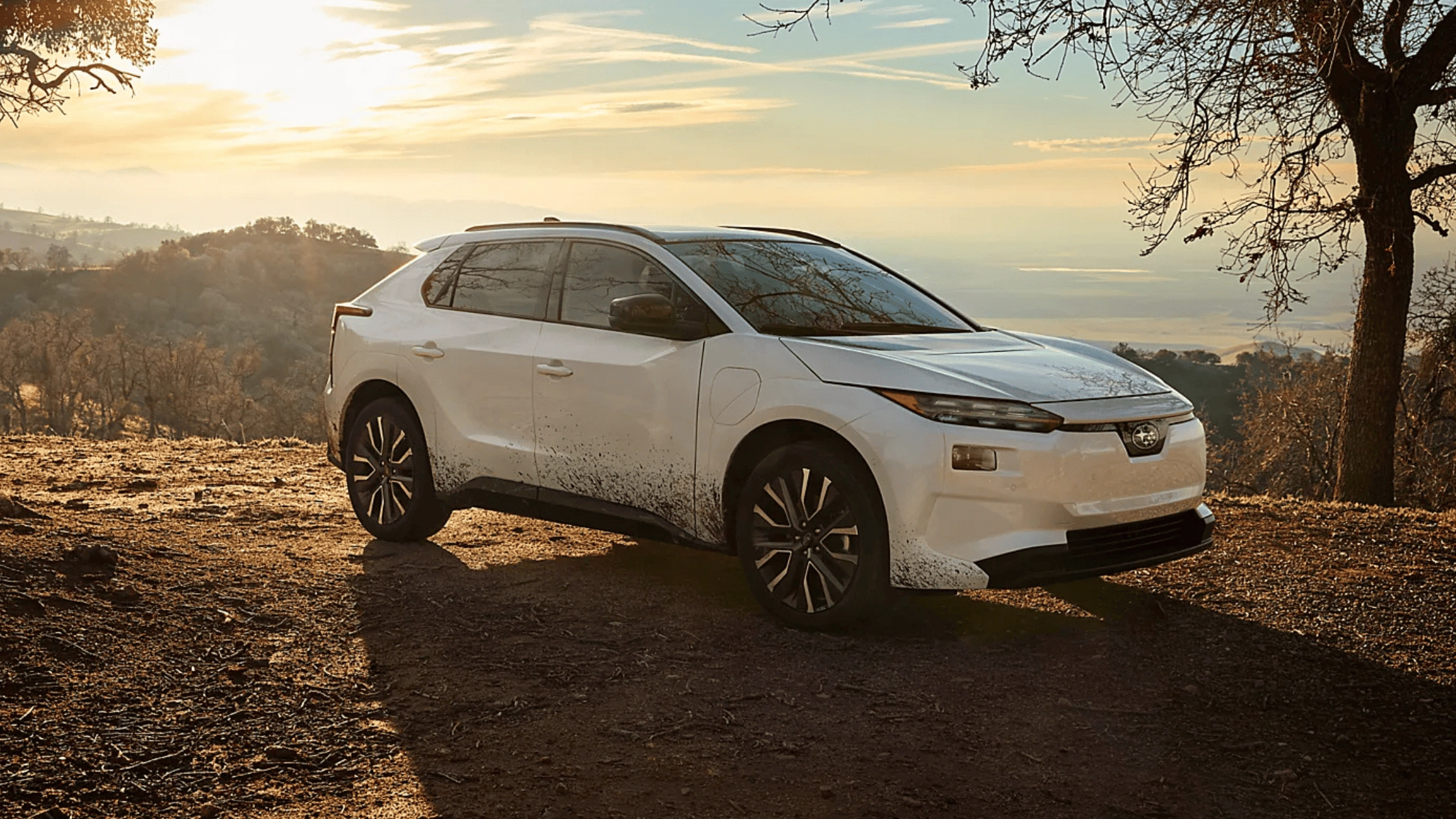
The 2026 Subaru Solterra includes Vehicle Dynamics Control, which integrates traction control and stability management across all four wheels. The system operates at all speeds and works with Active Cornering Assist to maintain directional control during turns.
Additional systems include Downhill Assist Control, which regulates speed during descents, and Hill-Start Assist, which prevents rollback during incline starts. These systems function in coordination with the all-wheel-drive configuration to maintain stability and traction.
Interior Space and Passenger Dimensions
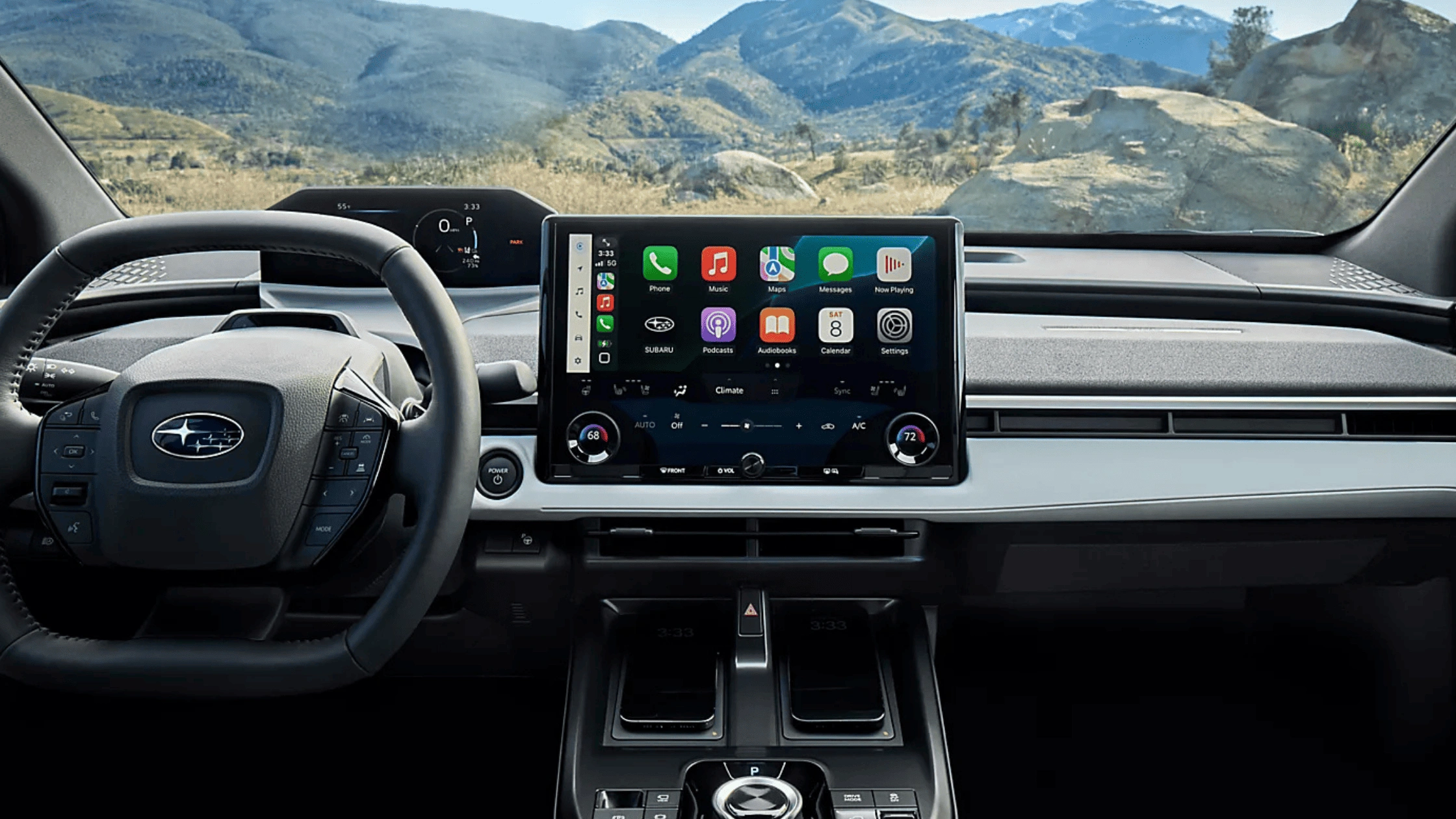
Interior dimensions are structured to support passenger comfort and usable cabin space. Front headroom measures 38.8 inches and rear headroom measures 38.0 inches without a moonroof. With a moonroof, front headroom is 38.6 inches, and rear headroom is 37.1 inches.
Front legroom measures 42.1 inches, while rear legroom measures 35.3 inches. Shoulder room is 58.0 inches in the front and 55.0 inches in the rear. Hip room measures 54.4 inches in the front and 44.8 inches in the rear.
Total passenger volume is 97.5 cubic feet without a moonroof and 96.2 cubic feet with a moonroof. These measurements define the available interior space and seating capacity.
Electric Power Output and Drivetrain Mechanics
The standard 2026 Subaru Solterra configuration produces 233 horsepower through dual 87-kW electric motors. The 2026 Subaru Solterra XT configuration increases total system output to 338 horsepower by combining a 167-kW front motor with an 87-kW rear motor. This increase in front motor output changes the torque distribution characteristics and provides higher total system performance.
The drivetrain uses a single-ratio reduction transaxle with a 13.8:1 ratio. This configuration eliminates the need for multi-speed transmissions and maintains continuous power delivery across the speed range. The integration of the motors with the transaxles and inverters reduces mechanical complexity while supporting efficient energy transfer from the battery pack to the wheels.
Battery System Specifications and Energy Capacity
The 2026 Subaru Solterra is equipped with a lithium-ion battery pack consisting of 104 cells. The battery has a total capacity of 74.7 kWh, with a rated voltage of 391 volts and a rated capacity of 191 Ah. The system includes both battery cooling and heating functionality to regulate temperature during operation and charging.
Battery placement within the platform lowers the center of gravity and contributes to vehicle stability. The integrated thermal management system supports consistent performance in different temperature conditions by maintaining optimal battery operating ranges.
Charging Interface and Efficiency Ratings
The 2026 Subaru Solterra uses a North American Charging Standard charge inlet positioned on the right fender. The system supports DC fast charging, allowing the battery to charge from 10% to 80% in approximately 30 minutes under appropriate conditions.
Efficiency ratings vary by trim level. The Premium trim achieves an EPA MPGe rating of 131 in city driving, 109 on the highway, and 120 combined. The Limited, Limited XT, and Touring XT trims are rated at 128 city, 105 highway, and 117 combined. These values reflect the differences in equipment and wheel configurations across trims.
Disclaimer: *MPGe up to 109/131 (hwy/city). EPA fuel economy estimates. Actual mileage will vary with driving conditions and your vehicle's condition.
Driving Range and Energy Utilization
The EPA-estimated driving range for the Premium trim is 288 miles. The Limited, Limited XT, and Touring XT trims have an estimated range of 278 miles. The variation in range corresponds to differences in wheel size and equipment weight.
Energy utilization is influenced by the vehicle's regenerative braking system, which captures kinetic energy during deceleration. The system allows the driver to select from four levels of regenerative braking through steering wheel-mounted paddle switches, providing control over deceleration behavior and energy recovery.
Symmetrical All-Wheel Drive and Traction Systems
The 2026 Subaru Solterra uses Symmetrical All-Wheel Drive with electronic power-controlled variable distribution. This system continuously adjusts torque between the front and rear motors based on traction requirements. The absence of a mechanical driveshaft allows faster response to changing conditions.
The system includes X-MODE® functionality with selectable Snow and Dirt mode, as well as Deep Snow and Mud mode. Additional features include Grip Control for low-speed traction, Downhill Assist Control for controlled descent, and Hill-Start Assist for incline launches. These systems are integrated with Vehicle Dynamics Control and all-wheel, all-speed traction control to maintain stability during acceleration, cornering, and braking.
Chassis Structure and Suspension Engineering
The Subaru e-Global Platform provides the structural basis for the 2026 Subaru Solterra. The unitized body construction integrates the battery pack into the chassis to improve rigidity and reduce flex. This design supports stable handling characteristics and consistent suspension performance.
The front suspension uses MacPherson®-type struts with internal rebound springs, lower L-arms, coil springs, and a stabilizer bar. The rear suspension uses a double wishbone configuration with coil springs, dampers that include internal rebound springs, steel lower arms with aerodynamic covers, and a stabilizer bar. This fully independent suspension layout supports balanced ride characteristics and consistent wheel contact with the road surface.
Steering Geometry and Handling Metrics
The 2026 Subaru Solterra uses a quick-ratio electric power-assisted rack-and-pinion steering system. The steering ratio is 14.2:1, providing responsive input with minimal steering wheel movement. The system requires 2.8 turns from lock to lock.
The turning circle measures 36.7 feet, allowing controlled maneuverability in urban and confined environments. The electric power assist adjusts based on speed, providing lighter steering at lower speeds and increased resistance at higher speeds for stability.
Brake System and Regenerative Integration
The braking system consists of electronically controlled power-assisted 4-wheel disc brakes. The system includes 4-channel and 4-sensor anti-lock braking functionality, along with Brake Assist and Brake Override systems.
Front brakes use 12.9-inch ventilated discs with dual-piston calipers, while the rear uses 12.5-inch ventilated discs with single-piston calipers. The integration of regenerative braking allows the system to recover energy during deceleration while maintaining consistent braking performance. The driver can adjust regenerative intensity using paddle controls, which modify deceleration force and energy recovery rates.
Wheel Configurations and Tire Specifications
Wheel and tire configurations vary by trim level. The Premium trim uses 18 x 7.5-inch aluminum alloy wheels with aerodynamic wheel covers. These are paired with 235/60R18 103V all-season tires.
The Limited, Limited XT, and Touring XT trims use 20 x 7.5-inch aluminum alloy wheels with a machine finish and gray spoke inserts. These trims are equipped with 235/50R20 100V all-season tires. The difference in wheel diameter and tire profile contributes to variations in ride characteristics and efficiency ratings.
Exterior Dimensions and Structural Measurements
The 2026 Subaru Solterra has a wheelbase of 112.2 inches, with an overall length of 184.6 inches, a width of 73.2 inches, and a height of 65.0 inches. The front track measures 63.0 inches, and the rear track measures 63.4 inches.
Minimum ground clearance is 8.3 inches, supporting use on uneven surfaces and in varying weather conditions. Base curb weight varies by trim, with the Premium at 4,395 pounds, Limited and Limited XT at 4,475 pounds, and Touring XT at 4,510 pounds.
Roof rails support a dynamic load limit of 176 pounds and a static load limit of 700 pounds. These specifications allow the vehicle to accommodate additional cargo systems such as rooftop carriers.
Cargo Capacity and Utility Measurements
Cargo capacity is 23.8 cubic feet with the rear seatbacks in the upright position. With the rear seats folded, cargo capacity increases to 63.5 cubic feet. The rear cargo opening width measures 41.3 inches, allowing for easier loading of wider items.
Maximum cargo length is 38.8 inches with the rear seats up and 73.0 inches with the rear seats folded. Cargo area height measures 29.8 inches with the deck board in the upper position and 32.6 inches in the lower position. These dimensions provide flexibility for different cargo configurations and storage needs.