
Digital Interface and Infotainment Systems
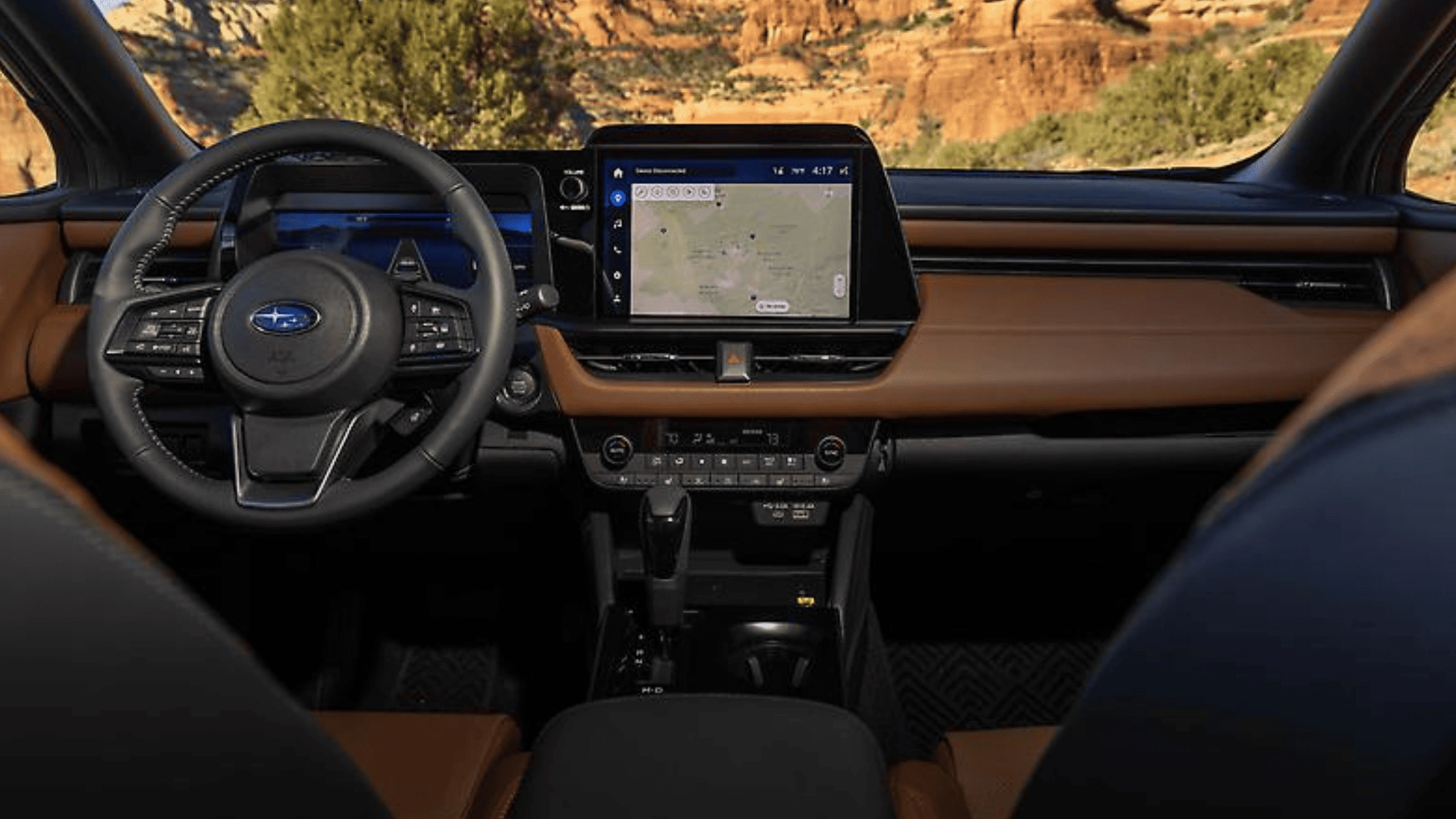
The 2026 Subaru Outback standardizes a dual-display digital interface across all trim levels. The system includes a 12.1-inch central touchscreen paired with a 12.3-inch fully digital instrument cluster. This configuration provides clear visibility of vehicle information and supports customization of displayed data.
The infotainment system supports wireless Apple CarPlay® and Android Auto™ integration, allowing seamless smartphone connectivity. Additional features include SiriusXM® with 360L capability, HD Radio, and Bluetooth® audio streaming. The interface supports multi-touch gestures, enabling intuitive control of navigation, media, and system settings.
Navigation functionality is available through a cloud-based system in higher trims, providing updated routing and traffic information. A wireless charging pad is also available, reducing the need for cable connections within the cabin.
The 2026 Subaru Outback includes MySubaru Connected Services, which extend vehicle functionality through remote access features. These services allow remote engine start with climate control, remote locking and unlocking, and monitoring of vehicle status. Emergency communication features include automatic collision notification and SOS assistance.
Audio performance is enhanced through an available Harman Kardon® sound system, which provides improved clarity and balanced output across multiple speakers positioned throughout the cabin.
Interior Layout and Material Integration
The interior of the 2026 Subaru Outback is restructured to improve usability, space efficiency, and material durability. The cabin layout emphasizes clear separation of controls and improved accessibility to frequently used functions. The increased vehicle height contributes to additional headroom and improved passenger comfort across both front and rear seating positions.
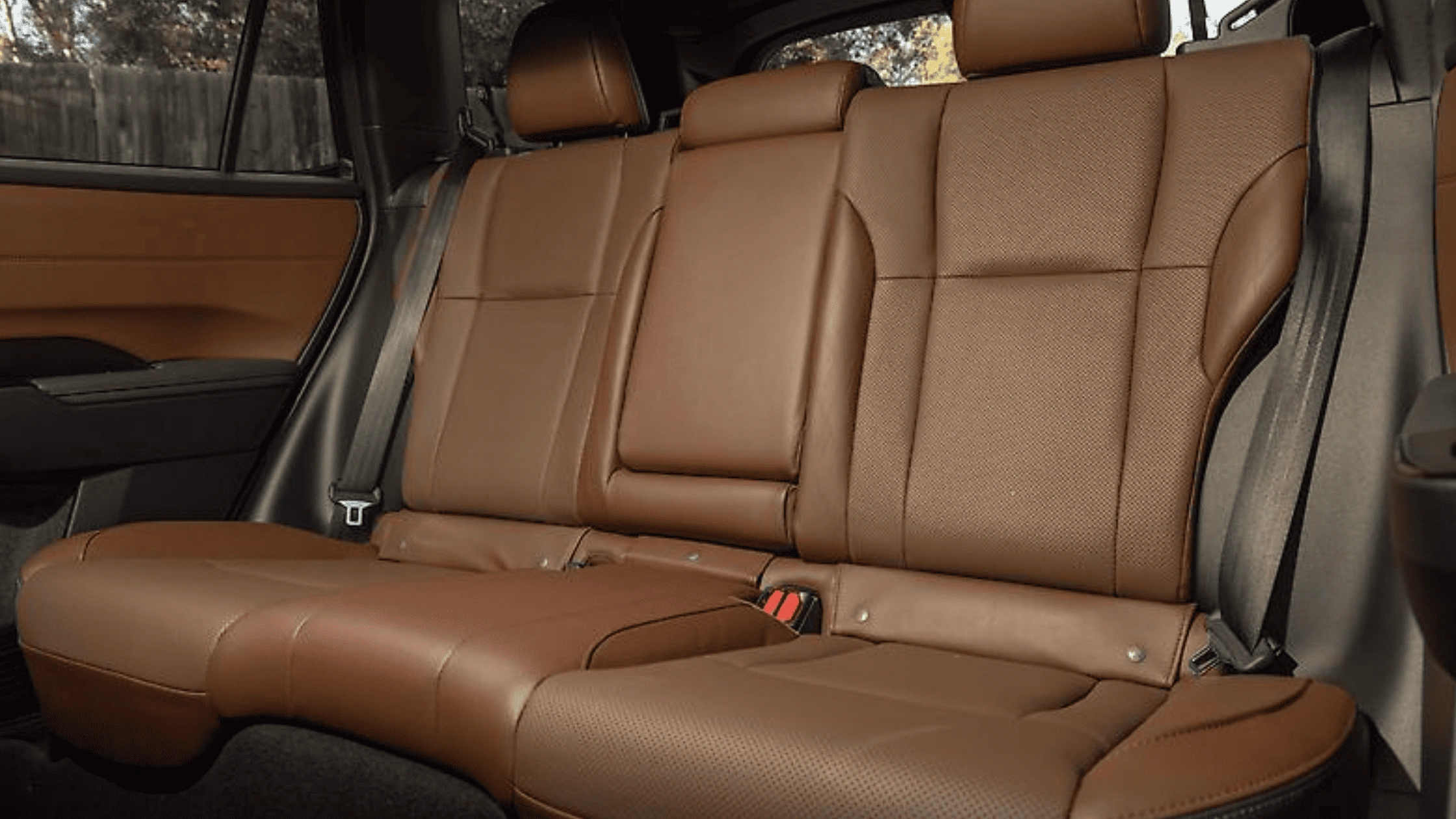
Interior materials include water-repellent StarTex® upholstery in select trims, designed to resist moisture and simplify cleaning. Higher trims incorporate leather-trimmed or Nappa leather-appointed seating surfaces with perforation for ventilation. Seating configurations include heated front seats as standard equipment, with heated rear seats and ventilated front seats available in upper trims.
The driver's seat offers up to 12-way power adjustability with lumbar support and thigh extension in higher configurations. Passenger seating includes power adjustability in select trims, enhancing comfort during extended travel. The steering wheel is leather-wrapped and includes integrated controls for audio, communication, and driver assistance systems.
Storage solutions are revised to improve practicality. The center console cupholders are repositioned for easier access, and door-mounted bottle holders are designed to accommodate larger containers. A multi-use cargo cover provides flexibility for organizing rear storage space.
The interior also integrates recycled materials, including headliner components derived from plastic bottles. This approach reflects manufacturing considerations focused on sustainability without affecting durability or performance.
Precision Powertrain Engineering and Performance Output
The 2026 Subaru Outback offers two SUBARU BOXER® engine configurations designed to balance efficiency and performance. The standard engine is a 2.5-liter naturally aspirated horizontally opposed four-cylinder unit that produces 180 horsepower and 178 pound-feet of torque. Its low-mounted configuration contributes to improved vehicle balance and reduced body roll during cornering.
Higher trim levels utilize a 2.4-liter turbocharged SUBARU BOXER® engine, which increases output to 260 horsepower and 277 pound-feet of torque. This turbocharged configuration enhances acceleration performance and provides greater capability for towing and load carrying. The increased torque output is available across a broader range of engine speeds, supporting consistent power delivery during highway merging and incline driving.
Both engines are paired with a Lineartronic continuously variable transmission. This transmission includes an 8-speed manual shift mode, allowing drivers to simulate gear changes when additional control is required. The system is calibrated to optimize fuel efficiency while maintaining responsive acceleration. Subaru Symmetrical All-Wheel Drive is standard across all configurations and distributes torque evenly between the front and rear axles. This system improves traction on low-grip surfaces and contributes to predictable handling characteristics.
The Wilderness trim extends capability through additional engineering modifications. It features electronically controlled dampers that adjust suspension response based on driving conditions. Ground clearance increases to 9.5 inches, allowing improved obstacle clearance and off-road performance. The inclusion of all-terrain tires further supports traction on uneven surfaces.
Exterior Engineering and Structural Redesign
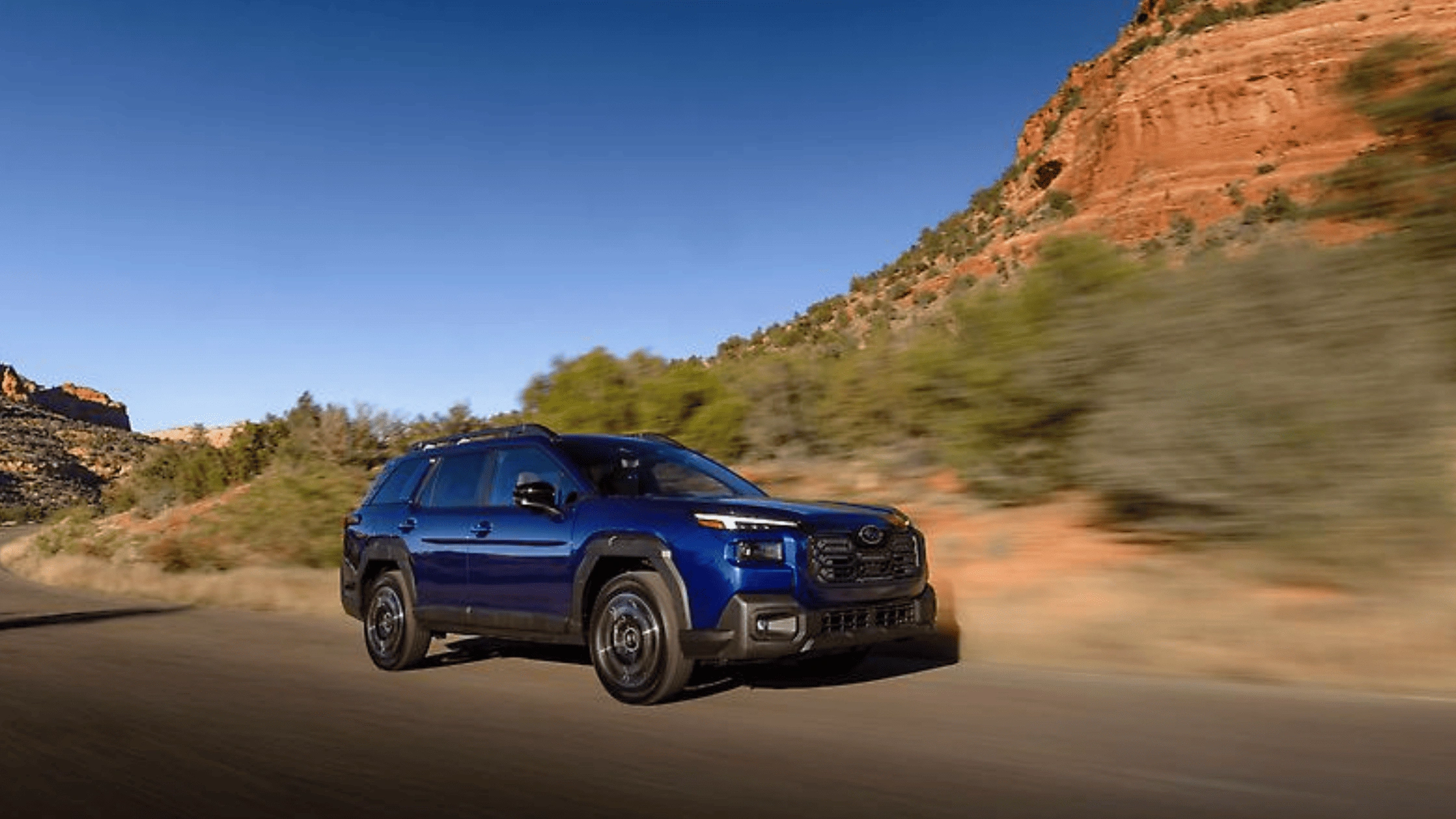
The exterior of the 2026 Subaru Outback reflects a shift toward a more upright and robust design while maintaining functional proportions. The front fascia is redesigned with a broader stance and vertically oriented headlights positioned at the outer edges of the vehicle. This configuration improves forward visibility and enhances the vehicle's visual width.
The lower fascia incorporates textured materials designed to resist scratches and reduce aerodynamic drag. These materials are particularly beneficial during off-road driving or when encountering debris. The body structure retains similar dimensions to previous models but introduces a taller and more squared profile. This adjustment increases interior headroom and cargo volume without significantly altering the vehicle's footprint.
The rear design includes a full-width light signature integrated into the liftgate. The rear window angle is adjusted to allow for increased cargo space while maintaining rearward visibility. Structural reinforcements in the rear roof pillar improve rigidity and contribute to overall durability.
Functional exterior components include raised roof rails with a static load capacity of 800 pounds and a dynamic load capacity of 220 pounds. These rails support additional cargo equipment such as rooftop carriers or outdoor gear. A power-operated rear gate with adjustable height memory improves accessibility, while a removable rear bumper panel allows for easier trailer hitch installation.
Wheel configurations vary by trim level, including 17-inch, 18-inch, and 19-inch aluminum-alloy wheels. These options are paired with tires designed for either all-season or all-terrain use depending on the intended application.
Advanced Safety Systems and Driver Assistance Technologies
The 2026 Subaru Outback incorporates the latest version of EyeSight Driver Assist Technology as standard equipment. This system integrates multiple sensors and cameras to monitor vehicle surroundings and support driver decision-making.
Key features include Automatic Emergency Steering, which assists in avoiding obstacles during sudden maneuvers. Emergency Stop Assist can bring the vehicle to a controlled stop if driver input is not detected. Lane Keep Assist and Emergency Lane-Keep Assist provide steering corrections to maintain lane position.
Front Cross-Traffic Braking detects approaching vehicles at intersections and applies braking when necessary. Blind-Spot Detection with Rear Cross-Traffic Alert monitors adjacent lanes and rear traffic during reversing. Reverse Automatic Braking provides additional support when backing into confined spaces.
A wide-angle forward-facing camera provides a 180-degree field of view, improving detection of pedestrians and cyclists. The DriverFocus Distraction Mitigation System monitors driver attention and issues alerts when signs of distraction are detected.
Higher trim levels include expanded functionality such as Highway Hands-Free Assist. This system allows limited hands-free operation under controlled conditions. Additional features include Pre-Curve Speed Control, Active Lane Change Assist, and automatic resumption of driving after stops in traffic.
A surround-view monitoring system provides a comprehensive view of the vehicle's surroundings, assisting with parking and low-speed maneuvering. These systems collectively enhance situational awareness and reduce the likelihood of collisions.
Capability Systems and Utility Enhancements
The 2026 Subaru Outback maintains a focus on versatility through integrated capability systems and structural design. Standard ground clearance of 8.7 inches supports travel over uneven terrain, while the Wilderness trim increases clearance to 9.5 inches for more demanding conditions.
The X-MODE® Dual Mode System with Hill Descent Control is available to optimize traction on slippery surfaces such as snow, mud, or gravel. This system adjusts throttle response, transmission behavior, and braking force to maintain stability.
Cargo capacity benefits from the revised rear structure and roofline. The wider cargo opening and increased interior volume allow for more efficient loading of equipment. The rear seats can be configured to expand storage space as needed.
Roof rail systems provide additional utility by supporting external cargo solutions. Measurement markers integrated into the rails assist with positioning crossbars and securing loads accurately.
Additional features include a multi-use cargo cover and flexible storage compartments, enabling better organization of transported items. These elements contribute to the vehicle's functionality as both a daily vehicle and a utility-focused platform.