

Infotainment Systems and Digital Interfaces
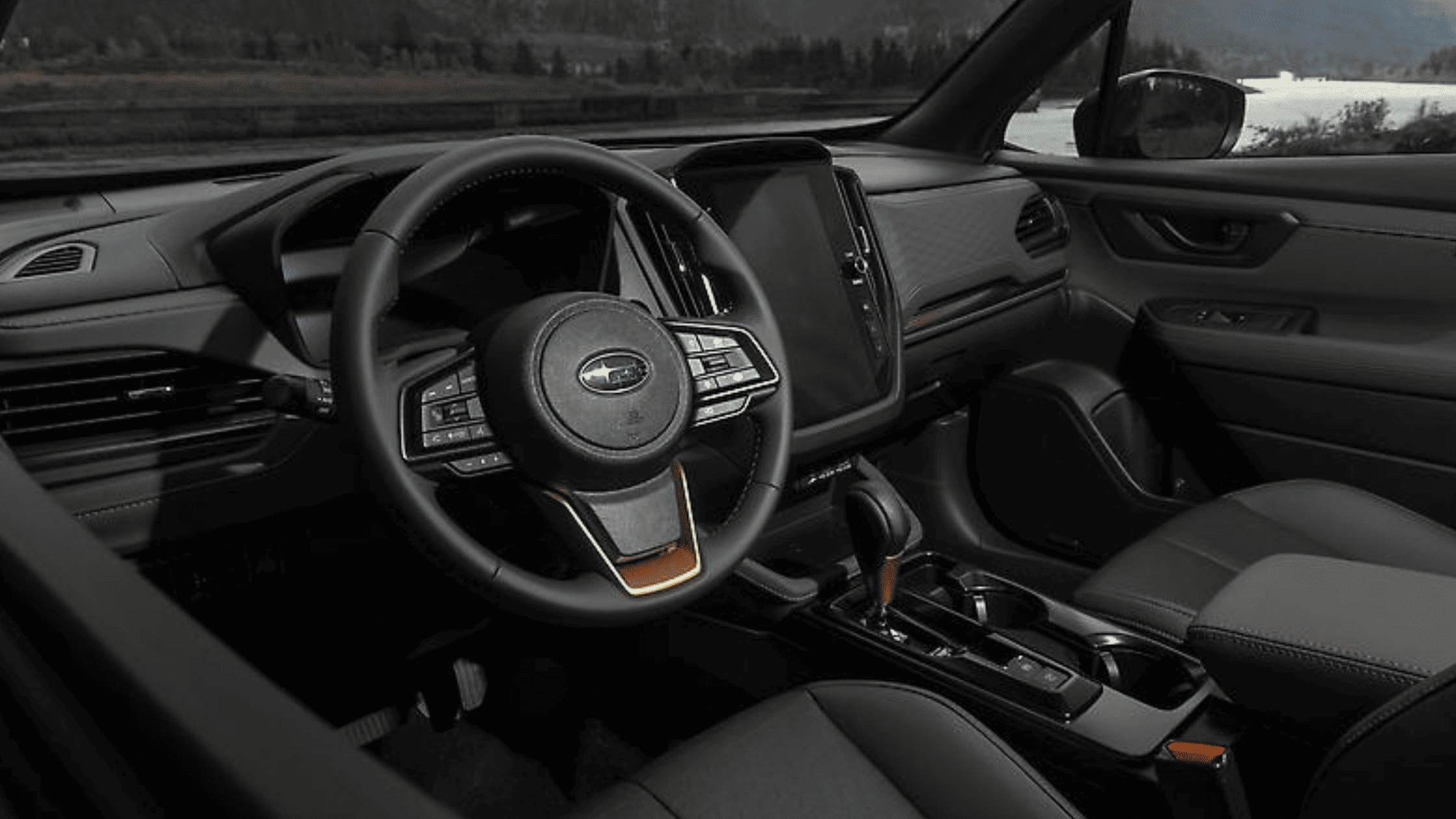
The 2026 Subaru Forester Wilderness is equipped with an 11.6-inch high-resolution touchscreen that serves as the central multimedia interface. The system integrates audio, climate, and vehicle controls into a single display. This configuration reduces the need for separate control panels and allows for centralized access to key functions.
Wireless Apple CarPlay® and Android Auto™ compatibility are included, enabling smartphone integration without physical connections. The system supports Bluetooth® connectivity for hands-free communication and audio streaming. Additional features include HD Radio, SiriusXM® functionality, and over-the-air software updates.
An available 12.3-inch digital gauge cluster provides vehicle information within the driver's field of view. The display includes navigation data and integrates with Apple Maps. The digital interface presents information in a clear format, supporting driver awareness and reducing distraction.
Interior Materials and Configurable Cargo Space
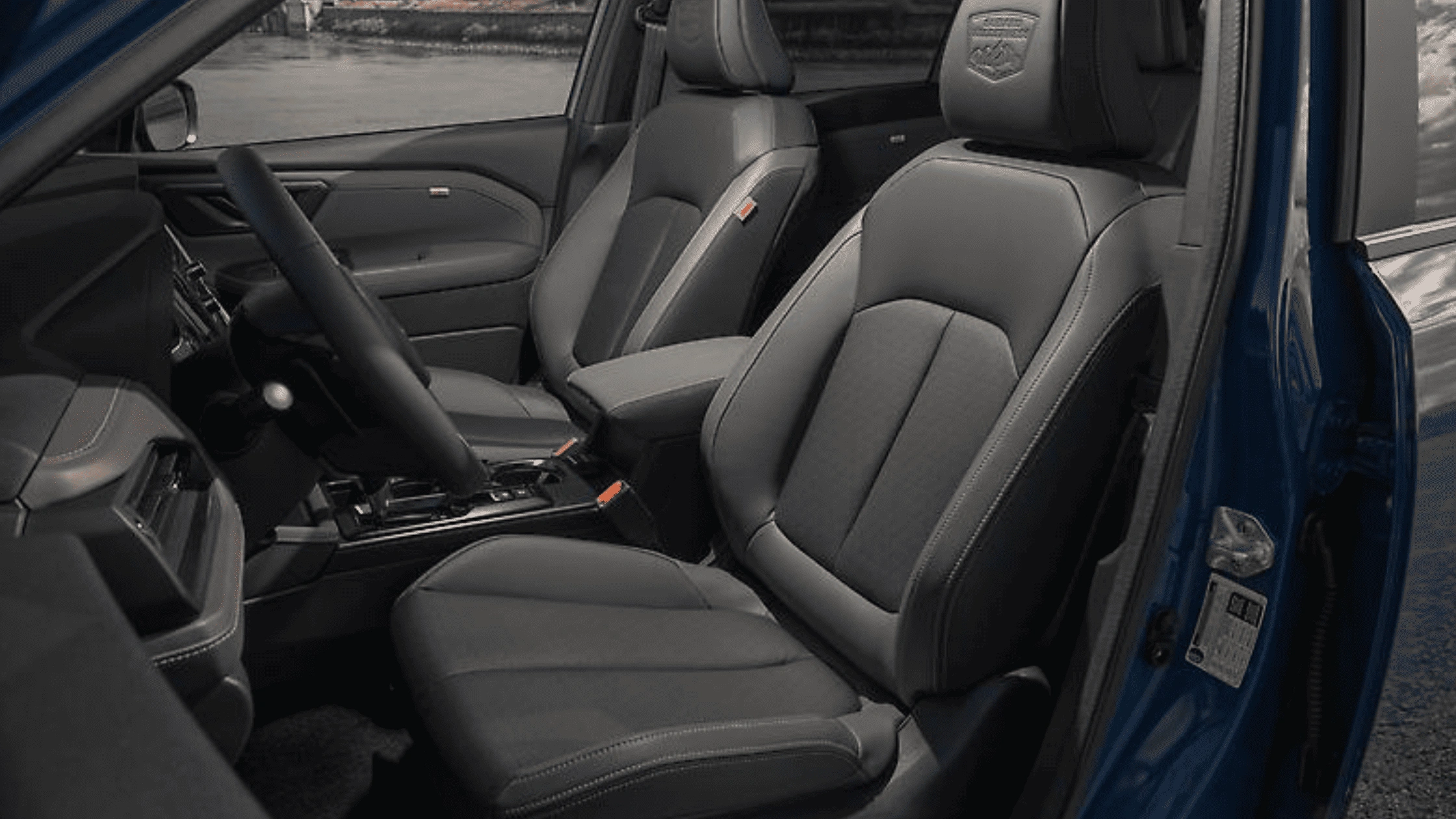
The interior of the 2026 Subaru Forester Wilderness is configured for durability and practicality. StarTex® upholstery is used for seating surfaces. This material is water-resistant and designed for easy cleaning, making it suitable for environments where moisture and debris are present.
The cabin accommodates up to five occupants. Rear seat legroom measures 39.4 inches, providing sufficient space for passengers. The rear seats feature a 60/40 split-folding configuration, allowing for flexible cargo arrangements. With the rear seats folded, total cargo capacity reaches 69.1 cubic feet.
Interior accents include anodized copper-finish elements that correspond with exterior design features. These accents are integrated without affecting functionality, maintaining a consistent visual identity throughout the vehicle.
Powertrain Configuration and Output Characteristics
The 2026 Subaru Forester Wilderness is equipped with a revised 2.5-liter SUBARU BOXER® engine. This horizontally opposed configuration produces 180 horsepower and 178 pound-feet of torque. Torque delivery occurs at lower engine speeds, improving response during low-speed driving and off-road maneuvering. The flat engine layout contributes to a lower center of gravity, which supports stability during cornering and uneven surface transitions.
A revised Lineartronic Continuously Variable Transmission is paired with the engine. The transmission incorporates a shorter final drive ratio, which improves low-speed torque application and control. This configuration enhances traction during initial acceleration and when climbing or descending uneven surfaces. The system maintains smooth power delivery while adapting to changes in throttle input and terrain resistance.
Subaru Symmetrical All-Wheel Drive is standard. The system has been updated to provide faster center differential engagement, reducing wheel slip during traction loss. Steering angle data is incorporated into the system's logic, improving cornering stability and directional control. These adjustments allow the drivetrain to maintain consistent power distribution across all four wheels under varying conditions.
Advanced Traction Systems and Terrain Management
The 2026 Subaru Forester Wilderness features an advanced X-MODE® Dual Mode system designed to optimize traction in low-grip environments. Two selectable modes, Snow and Dirt, and Deep Snow and Mud, adjust throttle sensitivity, transmission behavior, and torque distribution. These adjustments enable improved vehicle control when operating on loose or slippery surfaces.
The traction system works in conjunction with the all-wheel-drive configuration to manage wheel spin and maintain forward motion. The integration of drivetrain control systems ensures that power delivery remains consistent during rapid changes in terrain conditions. This coordination between engine output, transmission response, and wheel torque distribution contributes to predictable vehicle behavior in off-road scenarios.
Suspension Design and Ground Clearance Enhancements
The 2026 Subaru Forester Wilderness incorporates revised suspension components, including longer coil springs and updated shock absorbers. These modifications increase ground clearance to 9.3 inches, providing additional separation between the vehicle underbody and surface obstacles. The increased clearance supports traversal over uneven terrain, including rocks, ruts, and debris.
Suspension tuning has been adjusted to balance stability and ride comfort. The system maintains composure during on-road driving while absorbing impacts encountered during off-road use. The revised geometry allows for improved wheel articulation, which supports traction when individual wheels encounter uneven surfaces.
Approach, breakover, and departure angles have been increased compared to other Forester models. The approach angle is 23.5 degrees, the breakover angle is 21 degrees, and the departure angle is 25.5 degrees. These measurements indicate the vehicle's ability to navigate steep inclines and declines without contacting the ground.
Wheel and Tire Specifications for Off-Road Use
The 2026 Subaru Forester Wilderness is equipped with all-terrain Yokohama GEOLANDAR® tires mounted on 17-inch anthracite-finished wheels. These tires are designed to provide traction on loose surfaces such as gravel, mud, and dirt. The tread pattern supports grip and stability while maintaining durability under varying load conditions.
Wheel design and tire selection contribute to the vehicle's off-road performance. The combination of tire compound and sidewall construction enhances resistance to punctures and wear. This configuration supports consistent traction across different terrain types, ensuring reliable operation during extended off-road use.
Towing Capacity and Thermal Management Systems
The 2026 Subaru Forester Wilderness includes an upgraded transmission cooler that supports a towing capacity of up to 3,500 pounds. This increase allows the vehicle to handle trailers, equipment, and additional cargo loads without compromising drivetrain performance.
A rear differential temperature sensor monitors thermal conditions during operation. This system provides feedback to prevent overheating during sustained load conditions, such as towing or extended off-road driving. The integration of thermal management systems ensures that drivetrain components operate within defined temperature ranges, supporting durability and long-term reliability.
Roof rails are standard and support an 800-pound static load capacity and a 176-pound dynamic load rating. These specifications allow for the installation of rooftop accessories, including cargo carriers and tents. The roof rail system expands the vehicle's carrying capacity without affecting interior space.
Exterior Functional Design and Structural Elements
The exterior of the 2026 Subaru Forester Wilderness incorporates functional design elements that support performance requirements. LED hexagonal fog lights provide additional illumination during low-visibility conditions. Underbody protection components shield critical mechanical systems from debris and surface contact.
Anodized copper-finish accents are applied to specific exterior components, including bumper elements and tow hook covers. These accents distinguish the Wilderness trim while maintaining a functional purpose. The design prioritizes durability and accessibility, ensuring that exterior components support off-road use without unnecessary complexity.
Structural Engineering and Platform Improvements
The 2026 Subaru Forester Wilderness is built on the Subaru Global Platform, which has been enhanced with increased torsional rigidity. Structural stiffness has improved by 10 percent through the use of a full inner frame design, stronger welding techniques, and expanded application of structural adhesives.
The increased rigidity contributes to improved handling and reduced vibration. Cabin noise levels are decreased, resulting in a quieter interior environment. Structural enhancements also support occupant protection by improving the vehicle's ability to absorb and distribute impact forces.
The platform design ensures that suspension, drivetrain, and body components operate cohesively. This integration supports consistent performance across different driving conditions and contributes to long-term durability.
Driver Assistance Systems and Safety Technologies
The 2026 Subaru Forester Wilderness includes the latest version of Subaru EyeSight Driver Assist Technology. This system incorporates updated sensors and software to improve detection and response capabilities. Functions include adaptive cruise control, pre-collision braking, and lane departure warning.
Lane keep assist and sway warning systems provide additional support during highway driving. These features monitor vehicle position and assist in maintaining lane alignment. The system operates continuously, providing consistent feedback and corrective input when necessary.
A rear-vision camera is standard and provides visual assistance during reversing. The camera feed is displayed on the central touchscreen, offering clear visibility of the area behind the vehicle. The integration of driver-assist technologies supports situational awareness and contributes to overall safety.